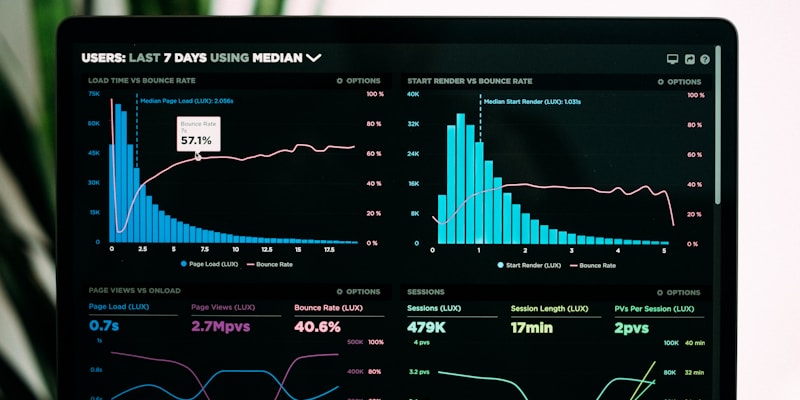
Shopee, Lazada and TikTok Shop Fee Changes: Protecting 2027 Margins
Marketplace fees rarely jump in one dramatic announcement. They drift upward in layers, and most Singapore SMEs never recalculate landed cost per SKU afterwards. Here is how to rebuild your per-channel contribution margin before you set 2027 prices.
Supplier ESG Data Requests: How Singapore SMEs Answer MNC Customers
Large customers are passing their climate disclosure obligations down to their suppliers. If a procurement team has sent your SME an ESG questionnaire, you do not need a sustainability report. You need four traceable numbers, a one-page policy statement, and a named person who owns the answer next year.

Chinese New Year 2027 Supply Chain Planning: Why February Stock Is Decided in September
Chinese New Year 2027 falls on 6 February, and most mainland factories lose three to five productive weeks around it. If you need stock on the shelf between late January and mid-March, the purchase order is a September decision — not a December one. Here is the timeline, the coverage maths, and the parts of it that should stop living in a spreadsheet.

China Golden Week 2026: What Singapore SMEs Must Order Before 30 September
Golden Week is seven days on the calendar and three to four weeks in your inventory. If your November stock has not been confirmed and deposited by 30 September, it is realistically December stock. Here is the lead-time maths, the order of decisions, and the data you need to make them.
When Should Singapore SMEs Start Reviewing Their Progressive Wage Credit Scheme Co-Funding Claims for 2026?
The Progressive Wage Credit Scheme pays out automatically based on CPF records, which means the real work happens months before any payout arrives. Here's why September is the right time for Singapore SMEs to check their numbers.
How Should Singapore SMEs Claim the Budget 2026 Enterprise Innovation Scheme Before Deadlines Tighten?
The Enterprise Innovation Scheme lets Singapore SMEs claim outsized tax deductions or a cash payout on automation equipment, R&D, and IP costs — but the claim window closes with your Form C-S/C filing. Here's how to get your paperwork in order before Q4 hits.
What Does IMDA's Digital Enterprise Blueprint Expansion Mean for Singapore SMEs in 2026?
IMDA's 21 May 2026 expansion of the Digital Enterprise Blueprint extends AI adoption and cyber resilience support to 12,000 SMEs, including a new Grab AI Programme for F&B, retail and e-commerce. We break down who qualifies, how it stacks with PSG and SFEC, and the practical steps to take before H2 budgets lock in.

Should Singapore SMEs Spend Their SFEC Now or Wait for the New $10,000 EWTP Credit?
With SFEC extended only until the redesigned scheme launches under the Enterprise Workforce Transformation Package in H2 2026, Singapore SMEs face a timing question: spend the remaining balance now or hold out for the fresh $10,000 credit? The answer is both — and the sequencing matters more than most owners realise.
How Do You Forecast H2 Demand After the June Holiday Peak? (Singapore SME Guide 2026)
The June holiday and GSS spike makes your latest sales numbers a dangerous baseline for H2 planning. Here is how Singapore SMEs strip out the peak, rebuild a normalised demand run-rate from POS data, and turn it into stock and staffing decisions for the rest of 2026.
How Can Singapore SMEs Keep Operations Running Through the Mid-2026 Heat and Monsoon Season?
Southwest Monsoon squalls and peak heat are predictable mid-2026 disruptions, not surprises. Here's how lean Singapore SME teams can build a contingency plan that keeps deliveries, footfall and outdoor labour running.
Cyber Insurance for Singapore SMEs in 2026: Is It Worth the Premium?
Ransomware, PDPA breach notification costs, and business interruption losses — a single cyber incident can generate a six-figure liability for a lean Singapore SME. Here is what cyber insurance covers, what it does not, and how to decide whether your business needs it in 2026.
ASEAN Cross-Border E-Commerce in 2026: How Singapore SMEs Can Capture Regional Growth
Southeast Asia's digital economy is still accelerating, and Singapore SMEs are uniquely placed to lead. Here is the practical playbook for going cross-border in 2026 — from market selection to grants.