
Workplace Fairness Act Readiness: The Hiring Records Singapore SMEs Need Before 2027
The Workplace Fairness Act does not ask you to hire differently so much as to be able to show why you hired the person you hired. That is a documentation problem, and in most small Singapore companies the documentation currently lives in a WhatsApp thread and one person's memory. Here is what to change in your system before the Act's obligations reach you.
Key Person Risk in Singapore SMEs: Documenting the Decisions Only the Owner Can Make
If the owner is uncontactable for two weeks, most Singapore SMEs do not grind to a halt because nobody knows how to do the work. They halt because nobody is allowed to decide. Here is how to find those decisions, write them down in a form people will actually use, and test the result before the December leave wave.

Shadow AI and the PDPA: What Happens When Your Staff Paste Customer Data Into ChatGPT
Shadow AI is personal data leaving your company through a tool you never approved — and under the PDPA, not having authorised it is no defence. A practical audit, a sanctioned-tool decision and a one-page policy for sub-20-person Singapore teams.
Employee Offboarding Checklist for Singapore SMEs: Fix It Before December
Most small Singapore businesses discover their offboarding process is undocumented at the worst possible moment: the week a key person resigns, right as year-end leave empties the office. This post sets out a checklist that starts the day notice is given, covering access revocation sequencing, knowledge capture, statutory filings and the paper trail that protects you if the exit turns contentious.

The December–February Cash Squeeze: Building a 13-Week Cash Flow Forecast Before Peak Spending Starts
Between 1 December and 28 February, a Singapore SME pays for peak stock, prepays suppliers before Chinese New Year, pays out AWS and bonuses, settles the October–December GST bill and absorbs January renewal repricing — while customer receipts arrive 30 to 60 days behind. Here is how to build a 13-week rolling cash flow forecast in October, what data you need, and what to do when week seven shows a shortfall.
2027 Headcount Budget: The Payroll Cost Step-Ups to Price In Before October Closes
Most SME owners discover their 2027 payroll increase in the January payroll run, after the budget is already signed. Here is what actually steps up, how to size it for your own headcount before 31 October, and how to absorb it without cutting people — including the co-funding schemes that exist precisely for this.
Digitalisation Roadmap Sign-Off in October 2026: Getting Grant Money Spent in Q1 2027
October is the last clear month in the Singapore SME calendar before peak trading, the compliance wall and December leave season close it. Working backwards from a Q1 2027 go-live — through grant approval, vendor scoping and the Chinese New Year shutdown on 17 February — the roadmap has to be signed in October or the spend slips two quarters. Here is what a signable roadmap contains and what the sign-off meeting must produce.
Flexible Work Arrangement Requests: A Compliant, Non-Chaotic Process for a Small Team
Since December 2024, Singapore employers have been expected to have a proper process for handling formal flexible work arrangement requests — including a written response within two months. Most small firms still handle it by verbal agreement, which works until two people ask for the same thing. Here is the minimum viable process for a team of 10 to 30, and how to stop flexible work from quietly degrading your enquiry response times.
Supplier Price Increase Letters in Q4: How Singapore SMEs Renegotiate Instead of Absorbing
Most Q4 price increase letters are a blanket percentage across an entire catalogue, and a blanket percentage is almost never what the supplier's own cost base actually did. This post shows Singapore SME owners how to itemise the increase, build a counter-offer that keeps the relationship intact, and stop being the easiest customer on the supplier's list to raise prices on.

Rising Manpower Costs in 2027: The Math Singapore SMEs Must Do Before Headcount Budgets Lock
Most SMEs budget 2027 headcount off gross salary. The number that matters is fully loaded cost per head, which sits well above it once CPF, levies, wage floors, shrinking co-funding and leave coverage are counted. Here is the calculation, a worked example, and what to do when the total does not fit.
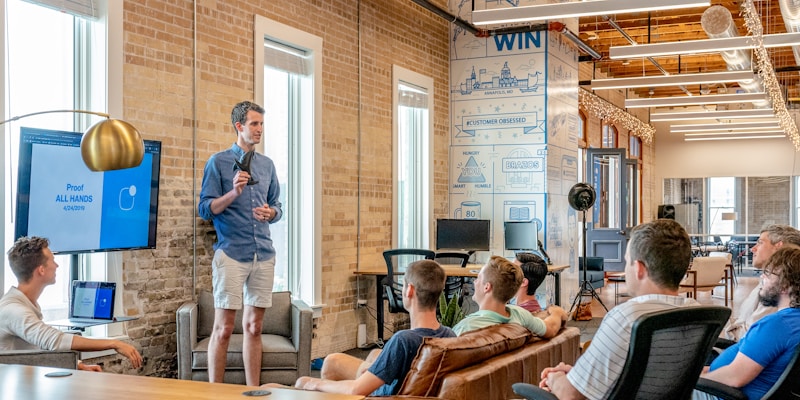
Workplace Fairness Act Readiness for a 15-Person SME: Job Ads, Interview Records and Grievances
Employers with fewer than 25 staff are excluded from the Workplace Fairness Act for its first five years — but the Tripartite Guidelines already bind you, and the exclusion ends the month you hire your 25th employee, with no transition period. A practical fix list for job advertisements, interview records and grievance handling that a 15-person company can implement in a quarter without an HR function.
When the Only Person Who Knows the System Takes December Leave: Key-Person Risk for Singapore SMEs
In most small Singapore companies, one person is the single point of failure for payments, system access and key customers. December is when that becomes visible. This is a two-week, non-theoretical method for finding those dependencies, deciding what to document, what to delegate and what to automate, and proving the cover actually works before the leave calendar locks.